

Ekaterina Sudina
School of Languages, Literatures, and Cultures
Assistant Professor, Second Language Acquisition
3103 Jiménez Hall
Get Directions
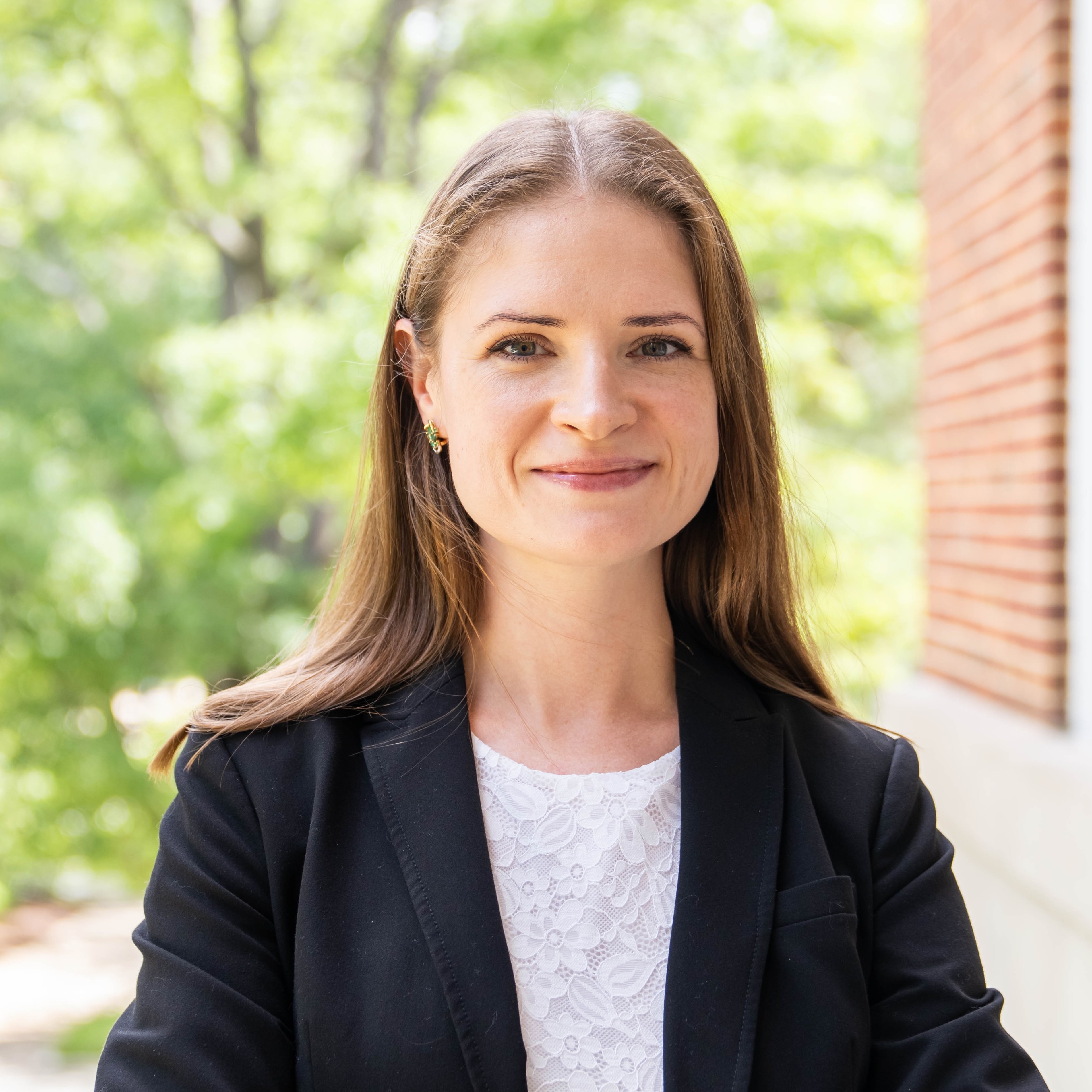
Ekaterina Sudina (Ph.D., Northern Arizona University) is Assistant Professor of Second Language Acquisition at the University of Maryland, College Park. At the core of her research is the exploration of individual differences in second language acquisition from two perspectives: applied psychometrics and methodological synthesis/meta-analysis. Her work has been published in a number of journals such as Bilingualism: Language and Cognition, Language Learning, Studies in Second Language Acquisition, and TESOL Quarterly as well as edited volumes. She is strongly committed to research ethics and open science practices both in her own research and in her mentoring of students.
Publications
The Qualitative Phase in Individual Differences Scale Development in SLA: A Methodological Synthesis
Four research questions examined how qualitative item development was documented, which methods and frameworks were employed, how item inclusion was justified, and how content validity was assessed.
Author/Lead: Moning LyuContributor(s): Congyao Wu, Ruirui Jia, Ekaterina Sudina
Self-report questionnaires on individual differences (IDs) are central to second language acquisition (SLA) research, yet the qualitative procedures that generate their item pools remain largely unexamined. Drawing on argument-based validation theory and cross-disciplinary measurement guidelines, this study offers the first systematic methodological synthesis of how that formative phase is reported. We reviewed 85 peer-reviewed SLA studies published between 1983 and 2025 that developed or substantially revised an ID scale, coding each along four dimensions: transparency, theoretical grounding, methodological rigor, and content-validity evidence. Four research questions examined how qualitative item development was documented, which methods and frameworks were employed, how item inclusion was justified, and how content validity was assessed. Results expose a pervasive reporting gap: Only 25% of studies described any qualitative data collection, 16% referenced an explicit theoretical framework, 2% linked draft items to participant quotations, and only one study reported a numerical content validity index. Details on coder agreement, reflexivity, and response-process evidence were nearly absent. These gaps threaten construct representativeness, invite cultural bias, and undermine validation claims. We translate our findings into a seven-section reporting checklist for the qualitative phase, with implications for editorial policy, doctoral training, and future meta-analyses.
Do data collection methods matter for self-reported L2 individual differences questionnaires? In-person vs crowdsourced data.
Crowdsourcing offers great advantages in data collection by enabling researchers to recruit a large number of participants across geographical boundaries within a short period of time. Despite the benefits of crowdsourcing, no study has explored its valid
Author/Lead: Ruirui Jia, Ekaterina SudinaWe recruited a total of 209 in-person and 209 crowdsourced participants for comparison. Both groups completed the short versions of the Foreign Language Classroom Anxiety Scale and the Foreign Language Enjoyment Scale, provided their demographic and language learning background information, and completed the LexTALE test. Measurement invariance testing revealed that most (sub)constructs exhibited partial or full invariance, indicating stability in the measurement systems across both data collection settings. However, crowdsourced participants reported higher enjoyment and lower anxiety than in-person participants. These differences can be attributed to the more relaxed mental state of the crowdsourced participants who completed the survey outside of the classroom.